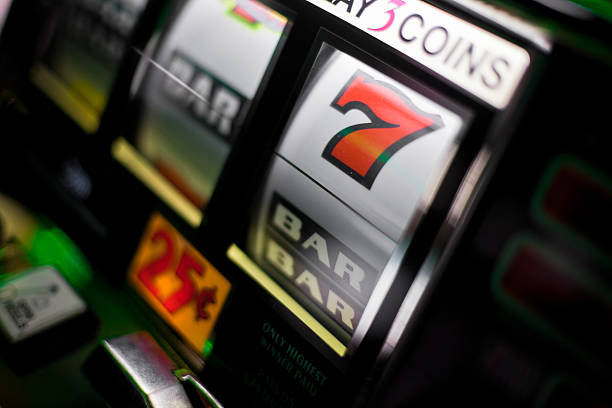
In der heutigen digitalen Welt erfreuen sich ausländische Online-Casinos immer größerer Beliebtheit, insbesondere unter Schweizer Spielern. Diese Plattformen bieten nicht nur eine umfangreiche Spielauswahl, sondern auch attraktive Bonusangebote und vielfältige Zahlungsmethoden. In diesem Artikel erfahren Sie, warum die beste ausländische online casinos schweiz für Schweizer Spieler eine interessante Wahl sind und wie Sie sicher und einfach in die Welt des Online-Glücksspiels eintauchen können.

Was macht die besten ausländischen Online-Casinos Schweiz so attraktiv?
Die besten ausländischen Online-Casinos bieten Schwung in die Glücksspiellandschaft der Schweiz. Sie zeichnen sich durch ihre Lizenzierungen, eine riesige Auswahl an Spielen und lukrative Bonusangebote aus. Diese Casinos sind oft flexibler, wenn es um Zahlungsmethoden geht, was es den Spielern erleichtert, ihre bevorzugten Optionen zu nutzen. Außerdem sind die Plattformen darauf ausgelegt, ein sicheres und benutzerfreundliches Umfeld zu schaffen, in dem Spieler ihre Favoriten genießen können.
Viele dieser Casinos bieten zudem eine Vielzahl an Live-Spielen, die ein authentisches Casino-Erlebnis vermitteln. Durch die Verwendung modernster Technologie sorgen sie für eine sichere und unterhaltsame Spielumgebung, die sowohl neuen als auch erfahrenen Spielern zugutekommt.
Wie Sie sicher in ausländischen Online-Casinos spielen
Das Spielen in ausländischen Online-Casinos kann aufregend sein, erfordert jedoch einige grundlegende Schritte, um sicherzustellen, dass Sie ein positives Erlebnis haben. Hier ist eine einfache Anleitung, wie Sie starten können:
- Ein Konto erstellen: Wählen Sie ein legales Casino und registrieren Sie sich mit Ihren persönlichen Daten.
- Details verifizieren: Bestätigen Sie Ihre Identität, um sicherzustellen, dass Ihr Konto sicher ist.
- Eine Einzahlung vornehmen: Wählen Sie eine Zahlungsmethode aus, die für Sie am besten geeignet ist.
- Ihr Spiel auswählen: Durchstöbern Sie die Spielauswahl, um Ihre Favoriten zu finden.
- Spielen Sie verantwortungsbewusst: Setzen Sie sich Limits und genießen Sie das Spielerlebnis.
- Einfacher Prozess für die Kontoerstellung.
- Vielfältige Zahlungsmethoden für flexible Einzahlungen.
- Breite Spielauswahl für alle Vorlieben.
Praktische Details zu ausländischen Online-Casinos
Wenn es um ausländische Online-Casinos geht, gibt es einige wichtige praktische Details, die Sie kennen sollten. Viele dieser Casinos bieten attraktive Boni wie Willkommensangebote und Freispiele. Beispielsweise ist Casino Royale dafür bekannt, seinen neuen Spielern einen Bonus von 100% bis zu $500 sowie 200 Freispiele anzubieten. Ein weiteres Beispiel ist GoldBet Pro, das einen beeindruckenden Bonus von 150% bis zu $750 inklusive 150 Freispiele sowie eine mobile App für das Spielen unterwegs bietet.
- Casino Royale: 100% bis $500 + 200 Freispiele.
- GoldBet Pro: 150% bis $750 + 150 Freispiele.
- LuxuryBet: 50 Freispiele ohne Einzahlung.
- CryptoKing: $300 + 100 Freispiele, nur für Krypto.
Diese Boni können Ihren Spielspaß erheblich erhöhen und bieten zusätzliche Chancen, Ihre Gewinne zu maximieren.
Schlüsselvorteile ausländischer Online-Casinos
Die Auswahl an ausländischen Online-Casinos bietet zahlreiche Vorteile, die frisch ins Spiel einsteigen oder erfahrene Spieler anlocken. Diese Casinos sind oft flexibler in ihren Angeboten und ziehen viele Spieler an. Die wichtigsten Vorteile sind:
- Vielfältige Spielauswahl – von klassischen Spielautomaten bis zu Live-Casinospielen.
- Attraktive Bonusangebote, die Ihren Spielbeginn erleichtern.
- Flexible Zahlungsmethoden, die internationale Überweisungen erleichtern.
- Schnelle Auszahlungen, die sicherstellen, dass Sie Ihre Gewinne zeitnah erhalten.
Die Kombination dieser Vorteile macht ausländische Online-Casinos zu einer erstklassigen Wahl für Spieler in der Schweiz, die auf der Suche nach Abwechslung und spannenden Spielerlebnissen sind.
Vertrauen und Sicherheit in ausländischen Online-Casinos
Ein entscheidender Aspekt beim Spielen in ausländischen Online-Casinos ist die Sicherheit. Seit 2019 dürfen in der Schweiz nur lizenzierte Anbieter operieren, was bedeutet, dass die Spieler darauf vertrauen können, dass ihre persönlichen Daten und Finanztransaktionen geschützt sind. Diese Casinos implementieren fortschrittliche Sicherheitsmaßnahmen und Technologien, um ein sicheres Spielumfeld zu gewährleisten.
Darüber hinaus bieten viele Plattformen Optionen für verantwortungsvolles Spielen, um die Sicherheit und das Wohlbefinden der Spieler zu fördern. So können Sie sicher sein, dass Ihre Spielerfahrung sowohl unterhaltsam als auch sicher ist.

Warum ausländische Online-Casinos wählen?
Die Entscheidung für ausländische Online-Casinos kann eine ausgezeichnete Wahl für Schweizer Spieler sein, die ein breiteres Spektrum an Spielen und besseren Service suchen. Mit attraktiven Bonusangeboten, einer Vielzahl von Zahlungsmethoden und einem hohen Maß an Sicherheit stellen diese Casinos sicher, dass Spieler eine großartige Erfahrung machen. Zudem stehen viele von ihnen rund um die Uhr für Support und Hilfe zur Verfügung, was das Spielen noch angenehmer macht.
Wenn Sie auf der Suche nach einem neuen aufregenden Abenteuer im Online-Glücksspiel sind, sollten Sie die besten ausländischen Online-Casinos in der Schweiz in Betracht ziehen. Sie bieten nicht nur eine Fülle an Möglichkeiten, sondern auch die Sicherheit, die Sie benötigen, um ein vertrauensvolles Spielerlebnis zu genießen.